Innovation in Nerf Gun Manufacturing: Sustainable Materials
Product development is increasingly centered on sustainability in the dynamic toy manufacturing market. This transition is evident in the creation of Nerf guns, which millions worldwide appreciate for their safe, foam-based ammo. In addition to Nerf, our website discusses the best laser tag game set, promoting eco-friendly amusement.
Plastic-heavy Nerf weapons are being revamped. Demand for eco-friendly products and a cultural shift toward sustainability drive this change. The switch from plastic to sustainable materials in Nerf gun manufacture shows technological progress and environmental awareness.
The primary material is plastic, which is multifunctional but environmentally harmful. Traditional plastics, made from non-renewable resources, decompose slowly and pose environmental risks. In response, the toy industry, including Nerf gun makers, is studying bio-based plastics. Corn starch, sugarcane, and cellulose make these eco-friendly products.
Recycled plastics are another sustainable industrial innovation. Due to their intricate designs and many parts, Nerf guns benefit greatly. Used and processed plastics minimize waste and resource usage for producers. This cyclical strategy saves resources and teaches customers trash management.
The trend to sustainable materials goes beyond Nerf gun bodies. The Nerf foam darts are also turning green. While safe and lightweight, the nature of the original foam material made recycling difficult. Biodegradable foams, which preserve weight and safety while degrading more sustainably, are the newest breakthrough.
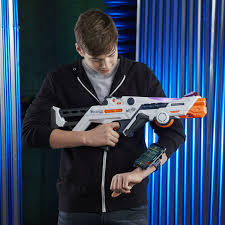
Implementing sustainable materials in Nerf gun manufacturing is complex. Product quality and durability are significant challenges. Sustainable materials must meet or exceed traditional plastic standards to maintain toy pleasure and usefulness. This requires continuous R&D, innovation, and openness to unorthodox materials and manufacturing processes.
Cost is another issue. Sustainable polymers cost more than standard ones. This expense is due to these materials’ early development and minimal production. However, as demand develops and production ramps up, costs should become more competitive, making sustainable Nerf guns more affordable.
Corporate responsibility is shown in Nerf gun manufacturing’s sustainability. Toymakers are realizing their role in sustainability. They help the environment and establish a model for other companies by going green. This strategy matches the global sustainability movement and the values of eco-conscious consumers.
Education is also affected by this change. Parents and educators can teach environmental responsibility by using sustainable Nerf guns. It opens up talks about sustainability, recycling, and environmental protection. These toys go beyond play with their instructional significance.
In conclusion, Nerf gun manufacture with sustainable materials is a positive step. It combines technology, environmental responsibility, and consumer awareness. We create a greener, more responsible future by embracing sustainability in all production processes.
Changing Nerf’s Lifecycle: Recycling and Disposal
Nerf’s foam darts, blasters, and accessories delight kids and adults. Enjoyment comes with responsibility, especially when it comes to product end-of-life management. Recycling and disposing of Nerf items requires a deep understanding and creative solutions to environmental and logistical issues.
Nerf items, primarily plastic and foam, are challenging to recycle and dispose of. This process begins with material comprehension. The blasters are primarily plastic, and the darts are foam and rubber. While robust and necessary for the product’s function, these materials are more complex to recycle than plastic bottles.
A complex Nerf product mix makes recycling difficult. A blaster is a mix of polymers, metals, and electronics. Municipal recycling programs need help to recycle them due to their complexity. Such combined materials require specialized recycling facilities, which are only sometimes available to consumers.
Innovative recycling programs are addressing this issue. Companies and organizations are offering Nerf gun mail-in programs. These programs deconstruct and categorize products for recycling or disposal. This is a good start, but consumers must take action.
Community recycling events are another option. Local governments and environmental groups organize these events to dispose of toys and other hard-to-recycle goods responsibly. They promote recycling and proper disposal.
Another major Nerf component, foam darts, is challenging to recycle. Most curbside recycling services don’t take foam because of its low density and paint or adhesive contamination. These darts can be reused creatively for sustainability. They can be used for painting or cushioning. Some dart aficionados fix and renovate ancient darts to extend their lifespan.
Some regions have foam recycling initiatives. These initiatives use modern technology to compress and recycle foam into insulation and construction materials. A recycling infrastructure gap exists because such initiatives are rare.
If recycled, Nerf products are easy to dispose of. The main priority is avoiding these products from ending up in landfills, which will take centuries to degrade. Focus on waste-to-energy facilities that incinerate items to generate power. While not ideal, this practice is better than landfilling because it reduces environmental damage.
Manufacturing is changing because of Nerf product recycling and disposal discussions. Manufacturers are investigating recyclable materials and designs. Biodegradable foams and polymers from renewable resources are being tested. Others are proposing modular designs for easier component disassembly and recycling.
Consumer education is vital to this environment. Advertising and clear packaging can help people recycle or dispose of Nerf items appropriately. Informing consumers about the environmental consequences of incorrect disposal and the benefits of recycling can inspire action.
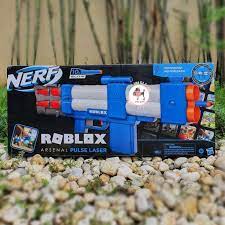
Local communities also drive change. Community-led toy swaps, donation campaigns, and recycling programs can replace trash. These programs promote recycling, community, and environmental responsibility.
Recycling and disposing of Nerf items is complex and requires collaboration. Effective recycling and disposal techniques require knowledge of Nerf’s specific materials. Despite being primarily plastic, Nerf blasters contain polymers, metals, and electronics, making them difficult to recycle in municipal programs.
Innovative recycling programs offer mail-in methods to handle Nerf goods to resolve these issues appropriately. These programs connect users to specialized recycling facilities by disassembling and categorizing goods for recycling or disposal.
Another essential way to promote responsible disposal is community recycling. Local governments and environmental groups organize these events to recycle hard-to-recycle objects and encourage recycling and trash management.
Due to poor density and contamination, recycling foam darts, a key Nerf component, is challenging. Some fans are finding imaginative ways to reuse and extend the life of these darts in artistic and functional ways.
The need for foam recycling programs complicates Nerf recycling. Compressing and recycling foam into insulation is unusual, underscoring the need for more infrastructure.
When recycling isn’t possible, Nerf objects must be kept out of landfills, where they can last millennia. Incineration plants create power from waste, a greener alternative.
Manufacturers are also investigating recyclable materials and designs, such as biodegradable foams and renewable polymers. Modular designs that allow component disassembly and recycling are being studied to lessen Nerf products’ environmental impact.
Consumer education is crucial to responsible recycling and disposal. Clear packaging and advertising can educate people about the environmental impacts of improper disposal and the benefits of recycling, encouraging them to act.
Toy swaps, donation drives, and recycling programs can help communities adapt. These community-led activities reduce landfill waste and promote environmental responsibility and community interaction.
In conclusion, manufacturers, customers, and waste management systems must work together to recycle and dispose of Nerf goods. Creative recycling, sustainable manufacturing, and public education are vital to Nerf’s dedication to sustainability and environmental responsibility.